Eurasian Milk


General information and history
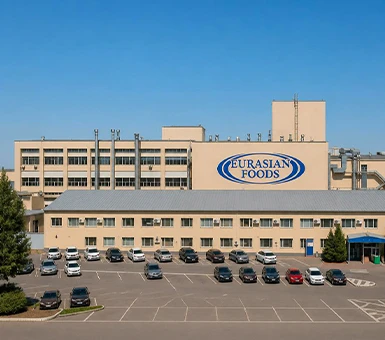
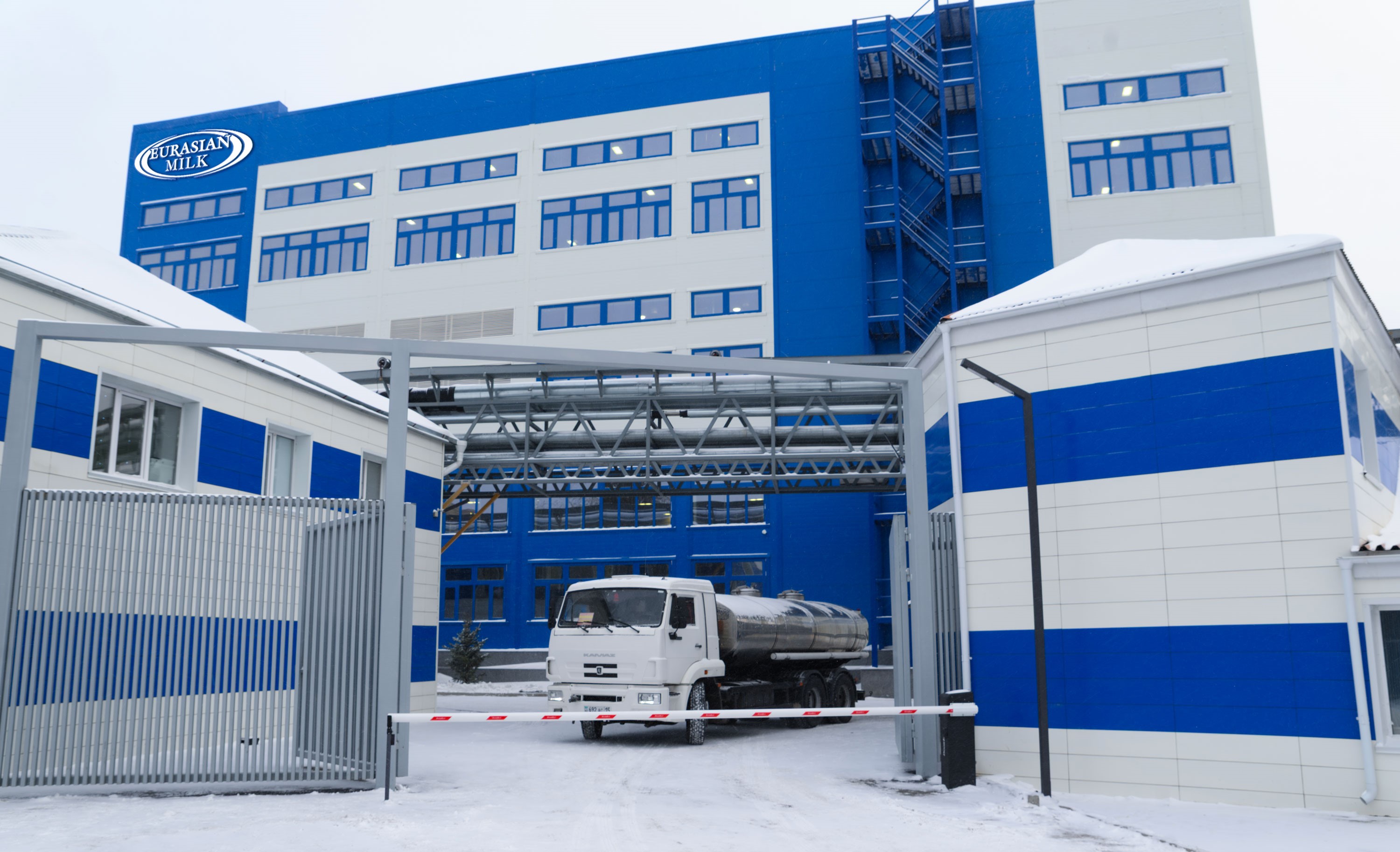
Eurasian Milk was established in the city of Petropavlovsk, North Kazakhstan region, on the site of a historic dairy enterprise that began operations in 1928. Founded in 2019, Eurasian Milk became part of the Eurasian Foods Corporation holding. Today, Eurasian Milk is one of the most advanced and efficient milk processing enterprises in Kazakhstan in terms of technical facilities and production organization.
Production capacities
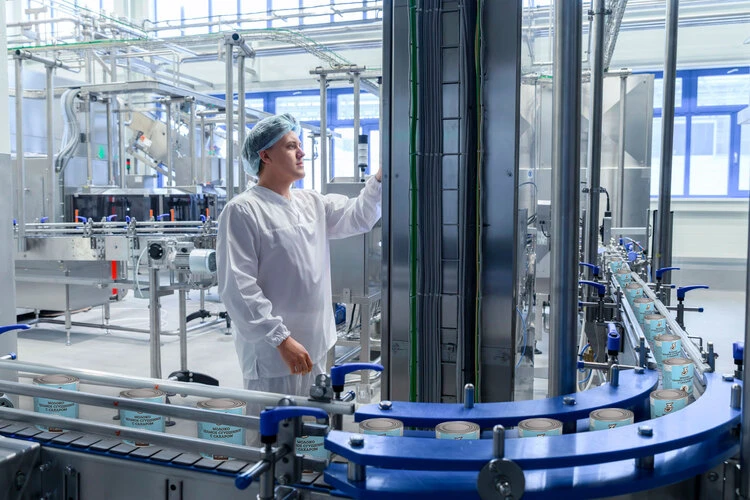
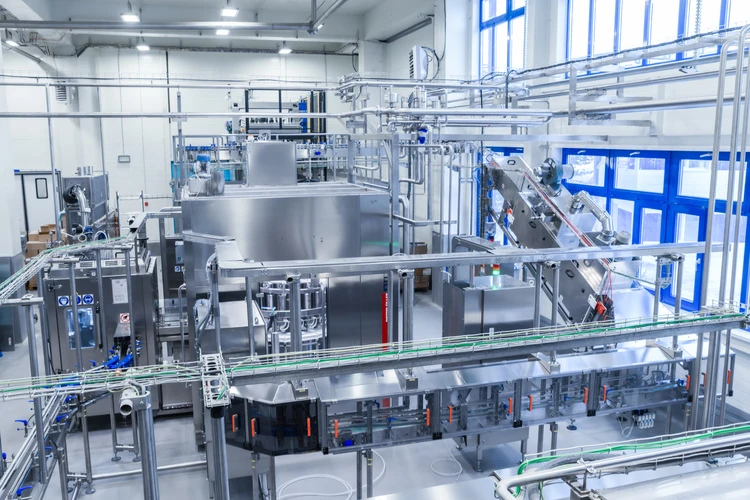
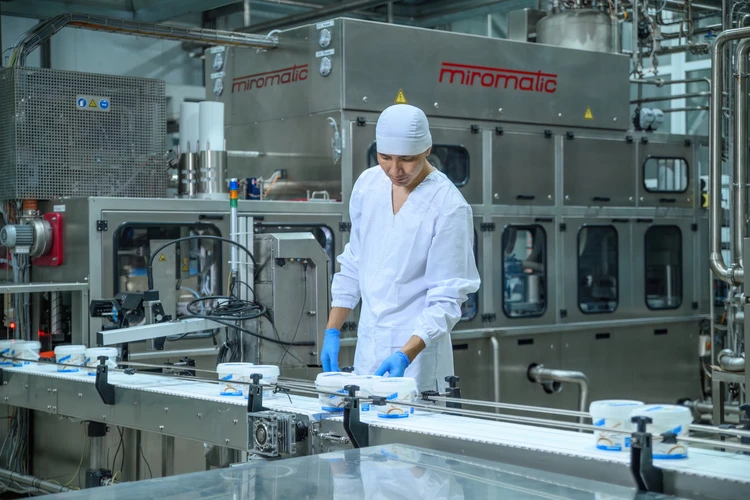
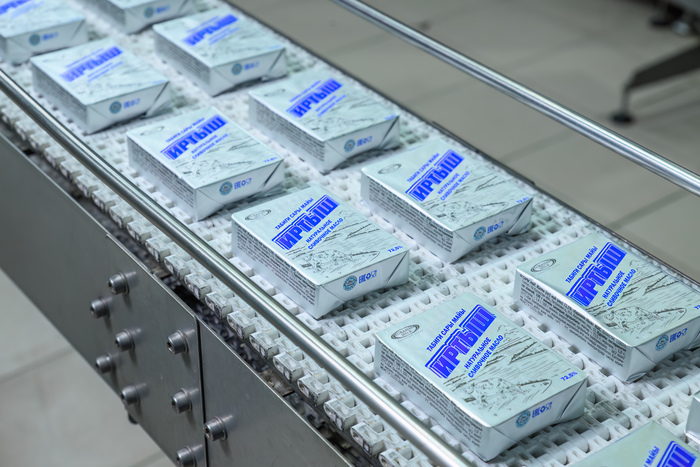
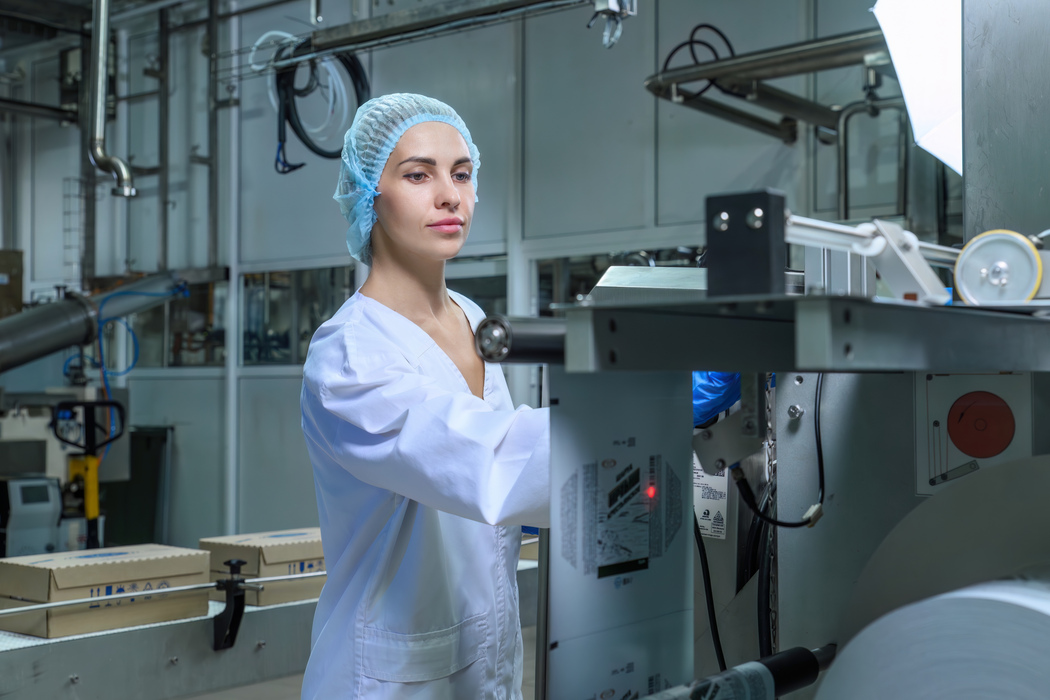
Eurasian Milk is a brand-new, high-tech production complex with a well-developed engineering and energy infrastructure. The production facilities occupy more than 10,000 m² and provide a full production cycle for the key process areas. The plant is equipped with milk reception and purification lines with a capacity of up to 350 tons per day (125,000 tons per year), as well as production facilities for semi-hard, hard and soft cheeses — over 7.8 thousand tons per year, butter — 5.4 thousand tons per year, fermented dairy products and ultra-clean packaging — over 26 thousand tons per year. One of the key development areas is deep processing of whey with the production of ingredients and products for healthy and sports nutrition.
Production processes
The following production processes have been implemented at the plant:
- milk reception and processing;
- production and packaging of butter and spreads;
- production and packaging of sour cream and fermented dairy products;
- production and packaging of hard cheeses;
- production of mozzarella-type cheeses;
- production and packaging of condensed milk;
- deep processing of whey for healthy and sports nutrition products.
Infrastructure and logistics
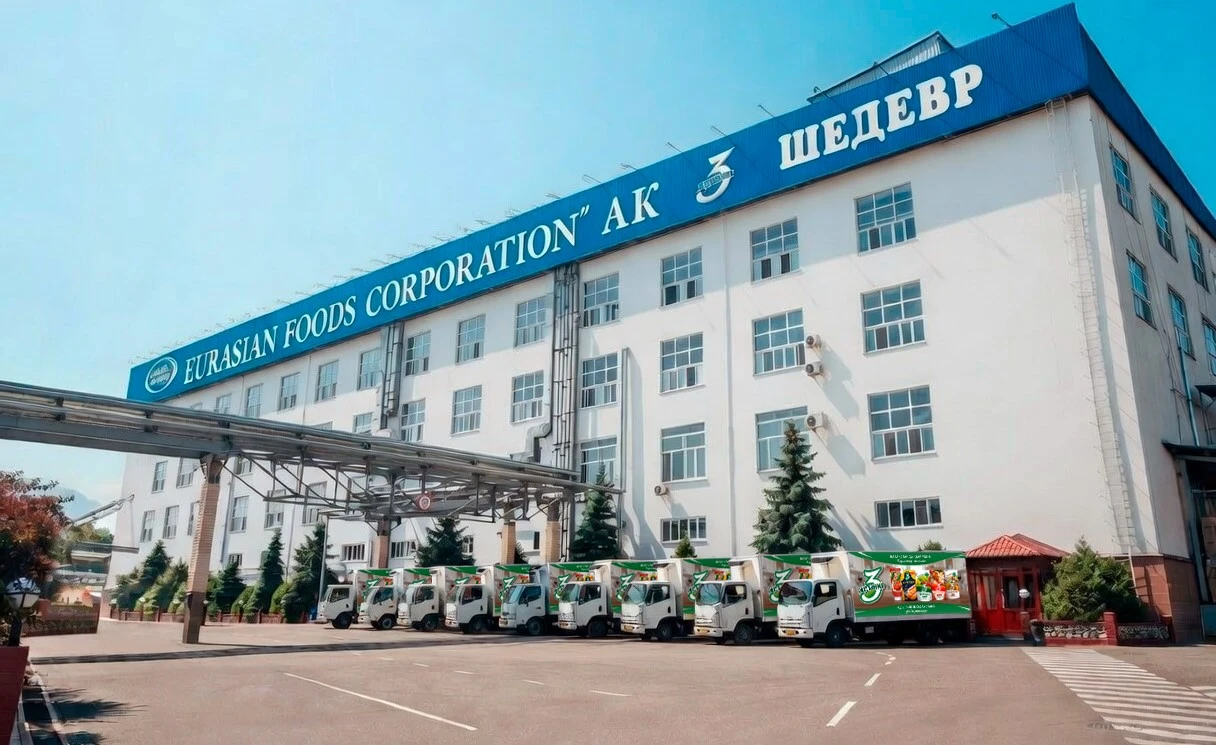
The company has its own transport division that ensures uninterrupted logistics of raw materials and finished products. The infrastructure includes a railway siding used for receiving and dispatching cargos. The enterprise has autonomous water supply, cold supply, steam supply and power systems that ensure stable and uninterrupted operation of the equipment. The plant’s architecture and implemented technical solutions allow for efficient production scaling and compliance with modern international industry standards.